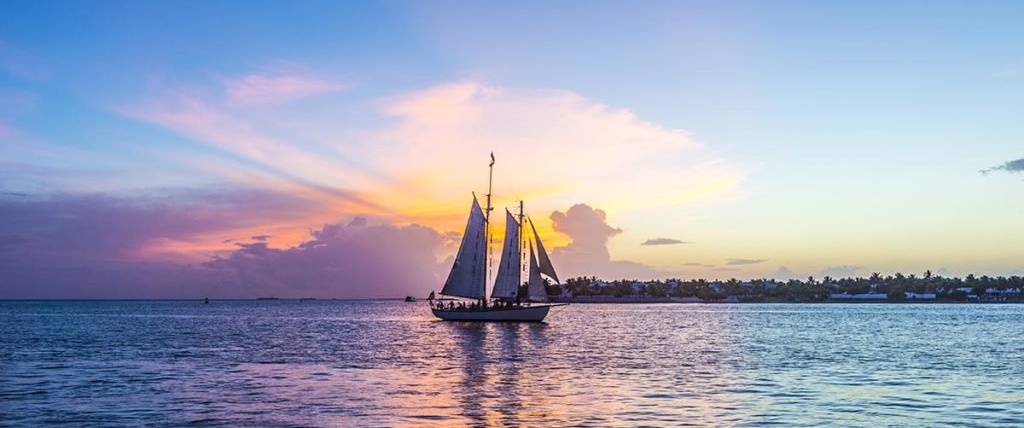
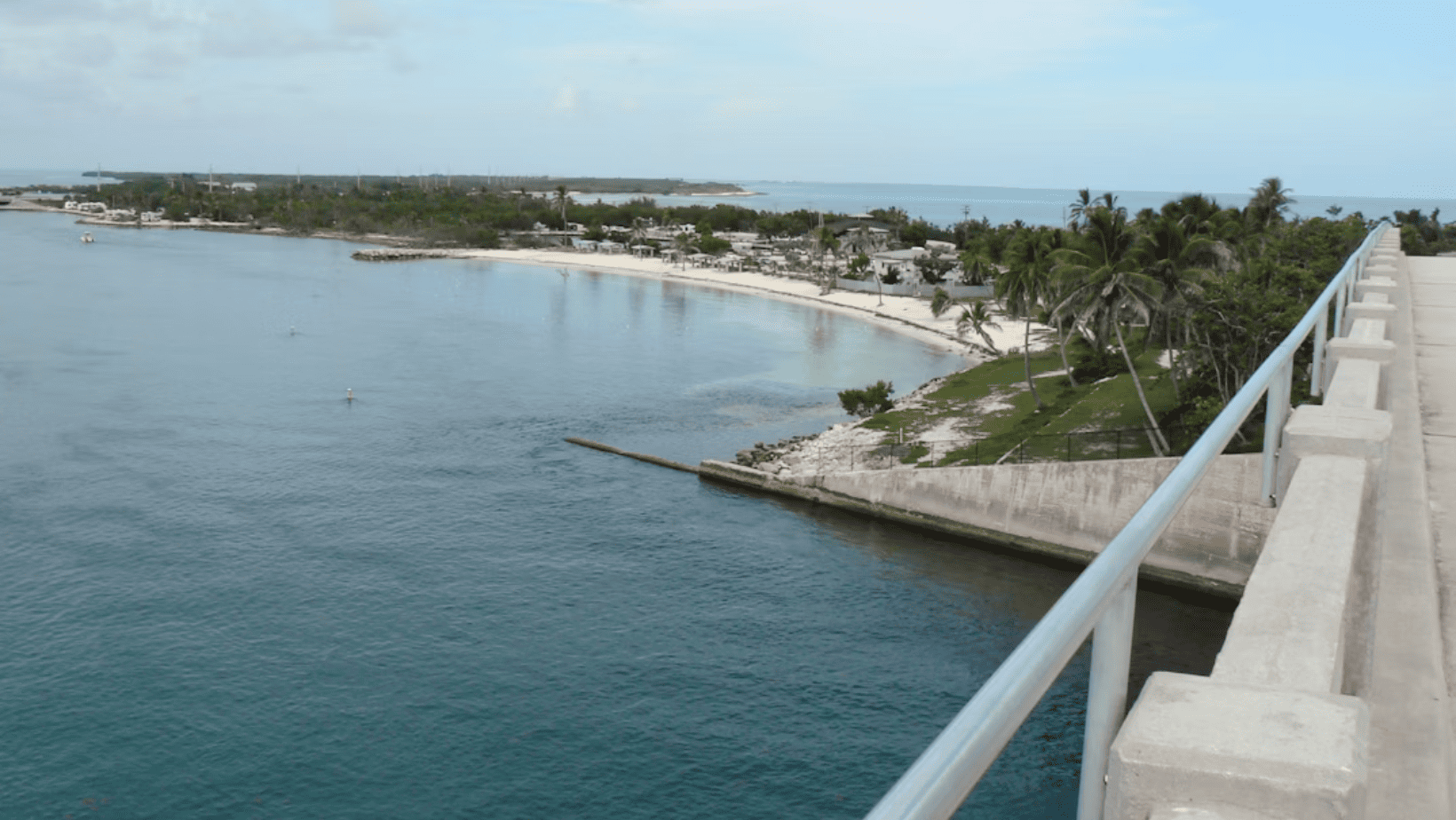
Tucked away in the Lower Florida Keys, Big Pine Key offers a quieter, more natural side of island life. While places like Key West and Key Largo draw crowds for nightlife and diving, Big Pine Key is known for something different, peaceful landscapes, unique wildlife, and one of the most fascinating conservation areas in Florida: the National Key Deer Refuge.
For travelers who want to explore the natural beauty of the Florida Keys, Big Pine Key provides a refreshing break from the busy tourist hubs and by staying in a vacation rental there, you can get the most out of your visit.
Exploring Big Pine Key and the National Key Deer Refuge
A Haven for the Tiny Key Deer
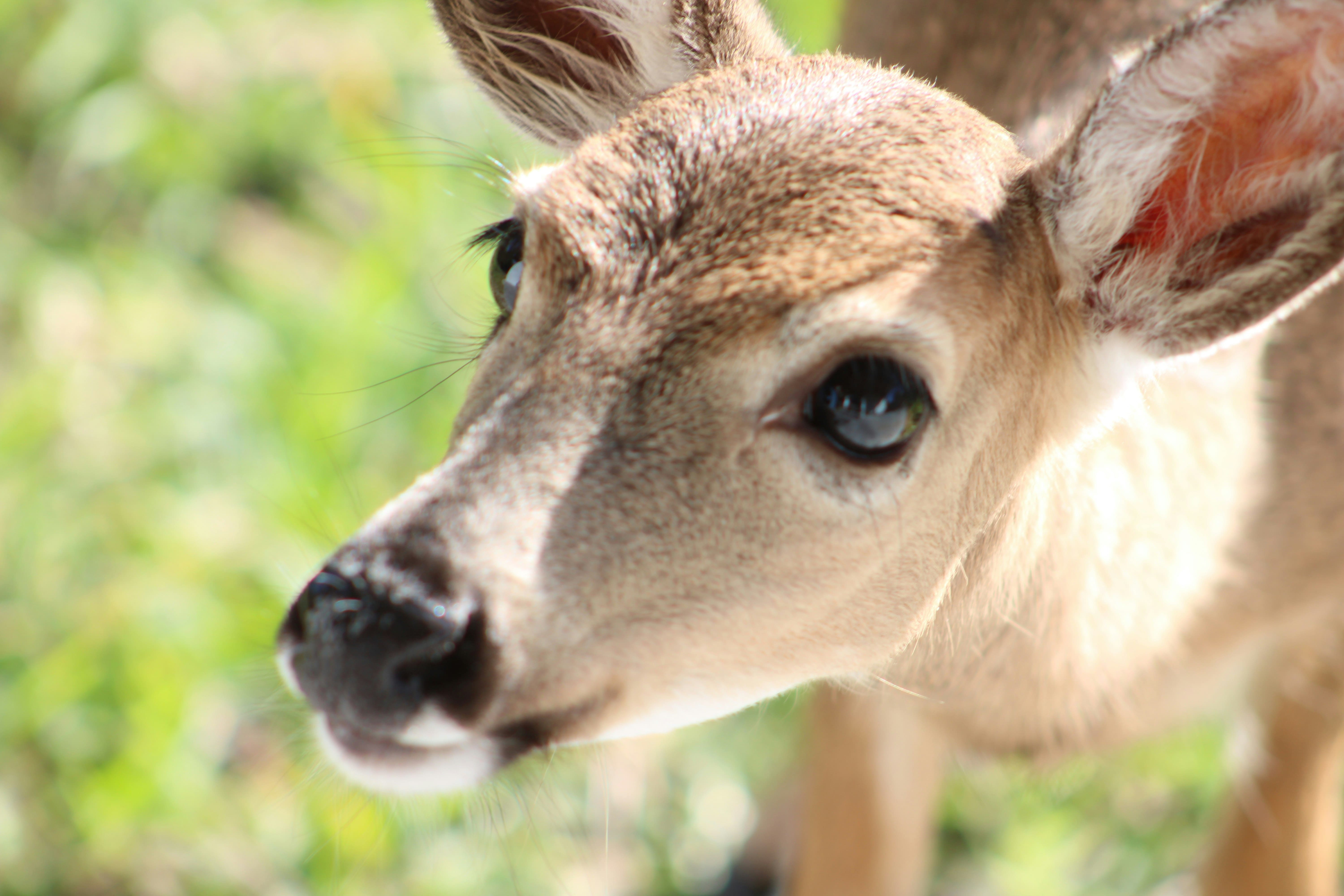
The biggest reason many visitors come to Big Pine Key is the chance to see the Key deer, a miniature subspecies of the white-tailed deer found only in the Lower Florida Keys. Fully grown adults stand about two feet tall at the shoulder, making them one of the smallest deer species in North America.
The National Key Deer Refuge, established in 1957, protects more than 9,000 acres of habitat across Big Pine Key and surrounding islands. The refuge was created to help save the endangered Key deer, whose population had dropped to fewer than 50 animals in the 1950s. Thanks to decades of conservation efforts, the population has rebounded to several hundred deer today.
Visitors often spot these gentle animals wandering through neighborhoods, forests, and even near roads. While they are used to seeing people, feeding or approaching them is strictly prohibited in order to protect the animals and maintain their natural behavior.
Scenic Drives and Wildlife Viewing
One of the best ways to explore the refuge is by taking a slow drive along Key Deer Boulevard, the main road that runs through the protected area. Early mornings and evenings are the best times to spot deer, as they are most active during cooler hours of the day.
The refuge is also home to many other species of wildlife. Visitors may see alligators, marsh rabbits, wading birds, and even migratory birds depending on the season. The diverse habitats, including pine forests, wetlands, and mangroves, make the area a paradise for birdwatchers and nature photographers.
Several viewing areas and pull-offs along the road allow visitors to safely stop and observe wildlife without disturbing the animals.
"The endangered Key deer are the smallest subspecies of white-tailed deer that are found throughout much of North America." - National Key Deer Refuge
Walking Trails and Nature Exploration
For those who prefer to explore on foot, the refuge offers a few short walking trails where visitors can experience the environment up close. The Blue Hole Trail is one of the most popular spots. Located in an old quarry, the Blue Hole is the only freshwater lakes in the Florida Keys.
This peaceful area attracts a wide variety of wildlife. It’s common to see alligators basking in the sun, turtles swimming in the water, and birds perched along the shoreline. An observation platform allows visitors to watch wildlife safely while learning more about the ecosystem.
Nearby, small nature trails wind through pine forests and wetlands, offering a quiet way to experience the natural side of the Keys.
A Different Side of the Florida Keys
Big Pine Key feels very different from many of the more famous islands in the Florida Keys. Instead of crowded streets and busy bars, the area offers quiet roads, small marinas, and open natural spaces. It’s a place where visitors can slow down, watch wildlife, and appreciate the delicate ecosystems that make the Keys so unique.
The refuge also plays an important role in protecting not just Key deer, but many other native plants and animals that depend on the Lower Keys’ fragile habitats.
.jpg?width=4000&height=6000&name=pexels-eugenekopach-4872316%20(1).jpg)
The Smallest Deer in North America
Visiting Responsibly
Because the Key deer are protected and the ecosystem is sensitive, visitors are encouraged to explore the refuge responsibly. Drive slowly, stay on designated paths, and never feed or approach wildlife.
By respecting these guidelines, travelers can help ensure that Big Pine Key and the National Key Deer Refuge remain one of the most special and unspoiled places in the Florida Keys.
For anyone looking to experience a quieter, more natural side of island life, Big Pine Key offers a memorable glimpse into the wild beauty of the Lower Florida Keys.